





New Possibilities Emerging from Materials Research
In recent years, changes in diet and living environments have led more people in Japan to take an interest in overall balance and everyday condition.
Alongside this shift, research fields such as food science, metabolic studies, materials engineering, and nanotechnology have begun to focus on combinations of materials that were previously studied separately.
One such example is the growing interest in research themes that examine rare sugars and rice husk–derived silica together. Both are natural materials, yet each offers deep and complex research potential.
Why are these two materials now being discussed side by side?
The answer lies in a research-driven perspective unique to materials science.
What Are Rare Sugars? — A Carbohydrate Material Under Active Study
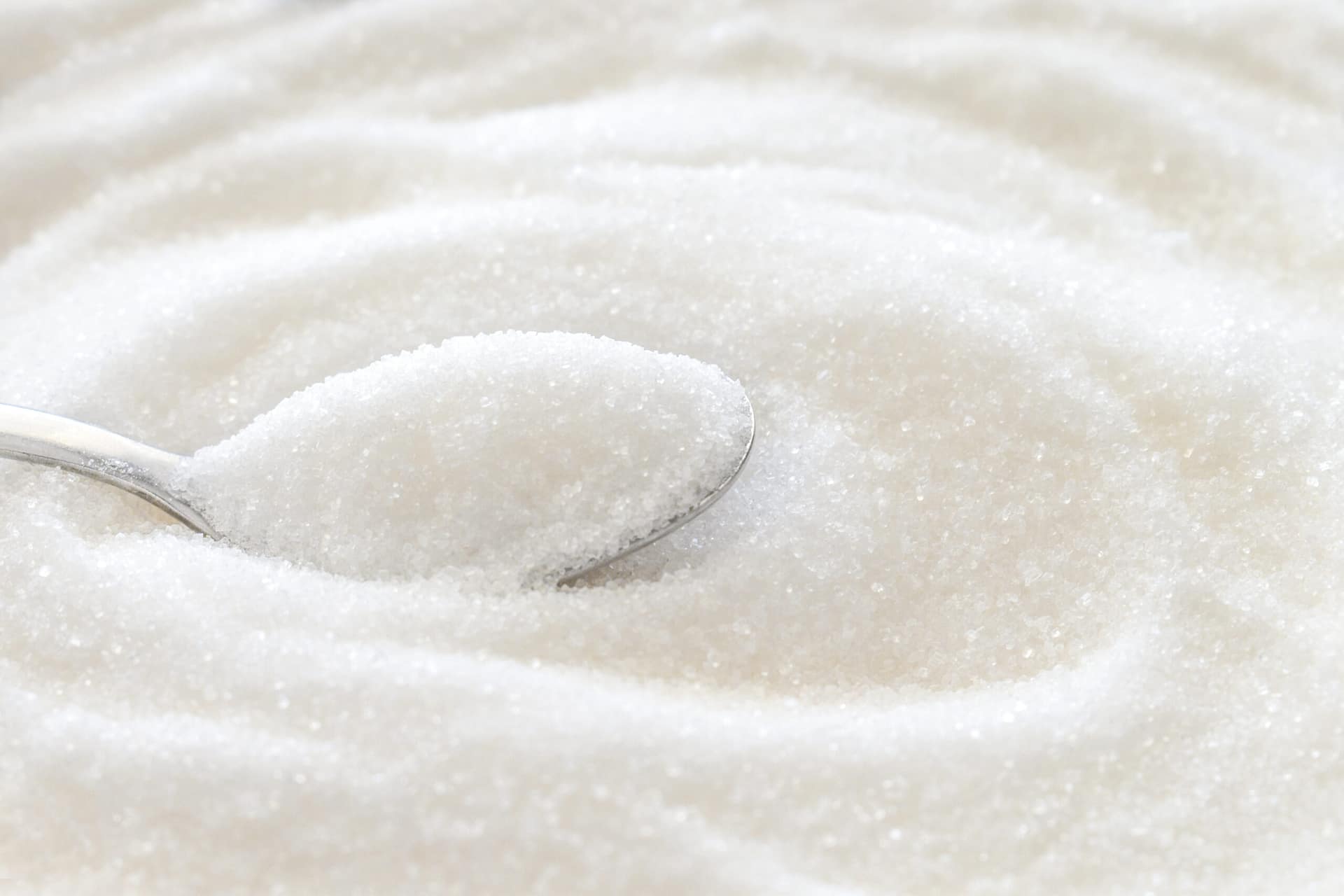
Rare sugars are a group of monosaccharides and their derivatives that occur only in very small amounts in nature.
Among them, D-allulose and D-allose have increasingly become subjects of research both in Japan and internationally.
Because these sugars follow metabolic pathways different from common sugars, they are attracting attention in areas such as food science, metabolic research, and material evaluation.
Current studies have reported that rare sugars:
- Have physical properties distinct from conventional sugars
- Are used as model materials in metabolic research
As a result, they are positioned as materials that expand the scope of carbohydrate research, rather than as conventional sweeteners.
Rice Husk Silica — A Material Created by Plants
Rice husks are generated in large quantities through rice farming in Japan.
Within them lies plant-derived amorphous silica.
Rice husk silica is characterized by:
- High purity
- An amorphous (non-crystalline) structure
- A porous physical form
These properties have led to ongoing research and application studies in materials engineering, environmental fields, and agricultural materials.
In particular, its porous structure has drawn attention for its physical properties related to adsorption, retention, and release, making it a subject of interest as a naturally derived functional material.
Why Are These Two Materials Studied Together?
Although rare sugars and rice husk silica originate from different research fields, they share common perspectives such as:
“Microstructure” “Relationships with metabolism or the environment”, and “Stability as materials”
For this reason, recent research has begun to explore them together within composite material studies and interdisciplinary research themes.
The key point is not that their combination enhances effects, but that evaluating materials with different characteristics side by side can open new research perspectives.

A “Combination” Perspective from Research Fields
In modern research settings, it is becoming common to avoid explaining everything with a single material.
Instead, materials with different roles are evaluated separately and in parallel.
For example:
- Materials evaluated at the molecular level
- Materials evaluated based on physical structure
By examining materials across different layers, researchers believe the range of research design options can be expanded.
Rare sugars and rice husk silica represent contrasting materials well-suited for such comparative and exploratory research.

Compatibility with Japan’s Research Environment
Japan has a long history of accumulated expertise in:
- Agricultural resources
- Food science
- Materials engineering
- Fundamental research
The background supporting rare sugar research, along with efforts to utilize rice husks as underused resources, aligns closely with Japan’s research environment.
Japan provides fertile ground for nurturing cross-disciplinary research themes.
Potential as Domestic Resources
Rice husks were long treated as by-products.
Today, however, they are being reevaluated as circular resources and biomass materials.
The movement to connect domestic resources with research, technology, and industry is expected to become increasingly important in the future.
Toward the Next Generation of Materials Research
Neither rare sugars nor rice husk silica are materials meant to stand alone.
Rather, they serve as tools for broadening research perspectives.
Their potential applications span food, agriculture, materials engineering, and environmental fields, offering diverse possibilities for future exploration.
Final Thoughts — A Message from New Silica Japan
Japanese manufacturing has long been supported not by dramatic change, but by quiet and steady accumulation.
By shining a light on overlooked materials, continuing research, and redefining value, we lay the foundation for the next era.
Rice husk–derived silica and rare sugars are both materials nurtured by Japan’s climate and research culture.
Small seeds of research may one day grow into pillars that support industry and society.
We believe in that potential and remain quietly committed to the future of materials research.

Important Notice
This article is intended to provide general information on materials and research trends.
It does not indicate specific effects, functions, or benefits of any material or combination,
nor does it refer to impacts on human health or disease.