



Four Pillars of Contribution
Toward Next-Generation Agriculture
Aiming to Improve Yield, Quality, and Sustainability
Toward Next-Generation Agriculture
Aiming to Improve Yield, Quality, and Sustainability
Japanese agriculture is currently facing multiple challenges, including soil degradation, increased plant diseases, climate-related stress, and dependence on chemical fertilizers.
Rather than addressing these issues individually, attention is turning to approaches that strengthen soil health as a whole. Against this backdrop, silica derived from rice husks is gaining attention in Japan and internationally as a naturally sourced material under study in agricultural research.
Research institutes and agricultural reports have begun examining potential uses and applications of rice husk–derived silica in farming and soil management.
Improving Soil Environment and Supporting Healthy Crop Growth
Enhancing Water Retention and Soil Aeration
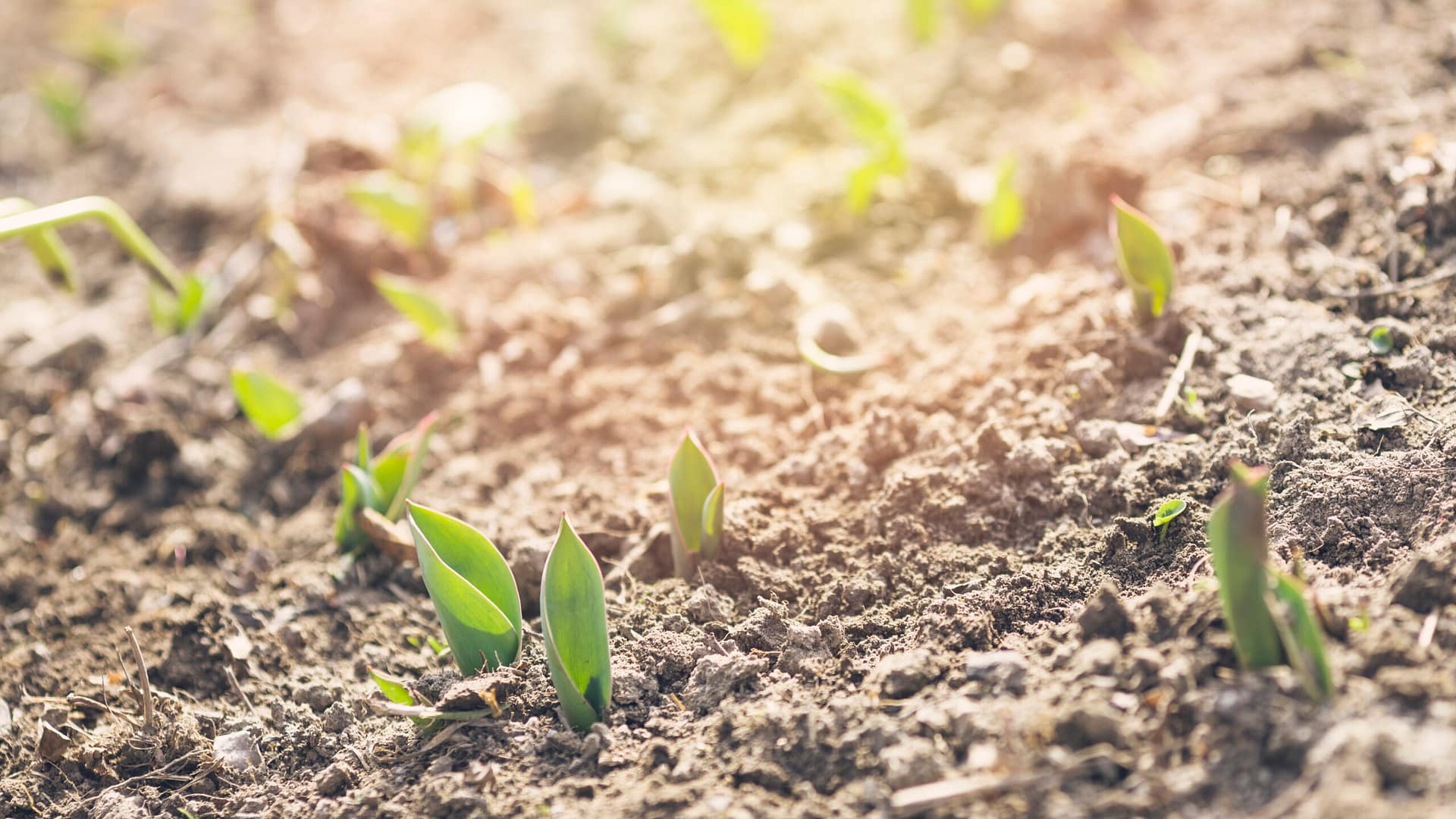
As a porous material, rice husk silica is being explored for soil preparation methods that consider water and air balance in the soil.
Improving Fertilizer Efficiency
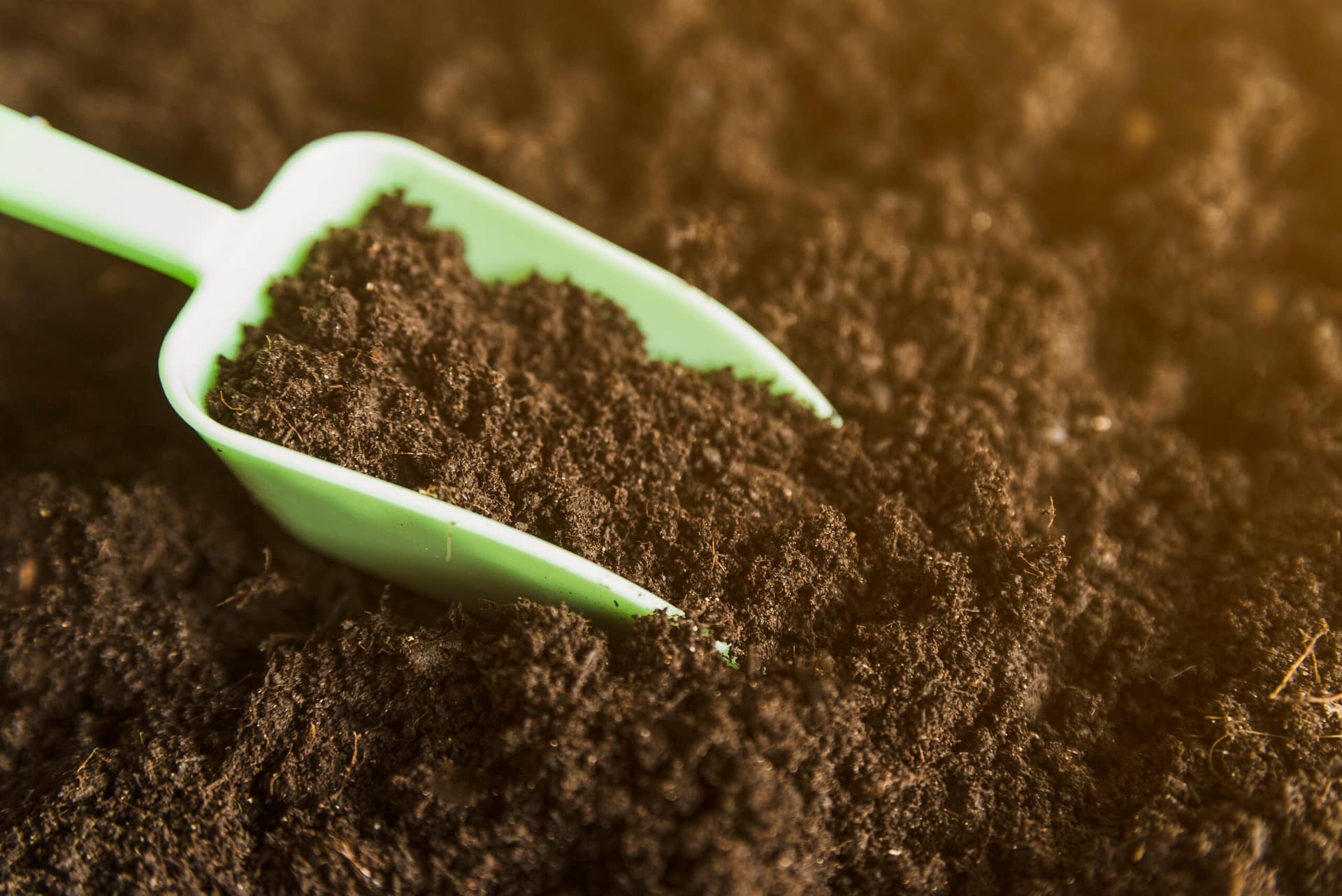
Focusing on material properties related to nutrient retention, studies are being conducted to support more efficient fertilization design.
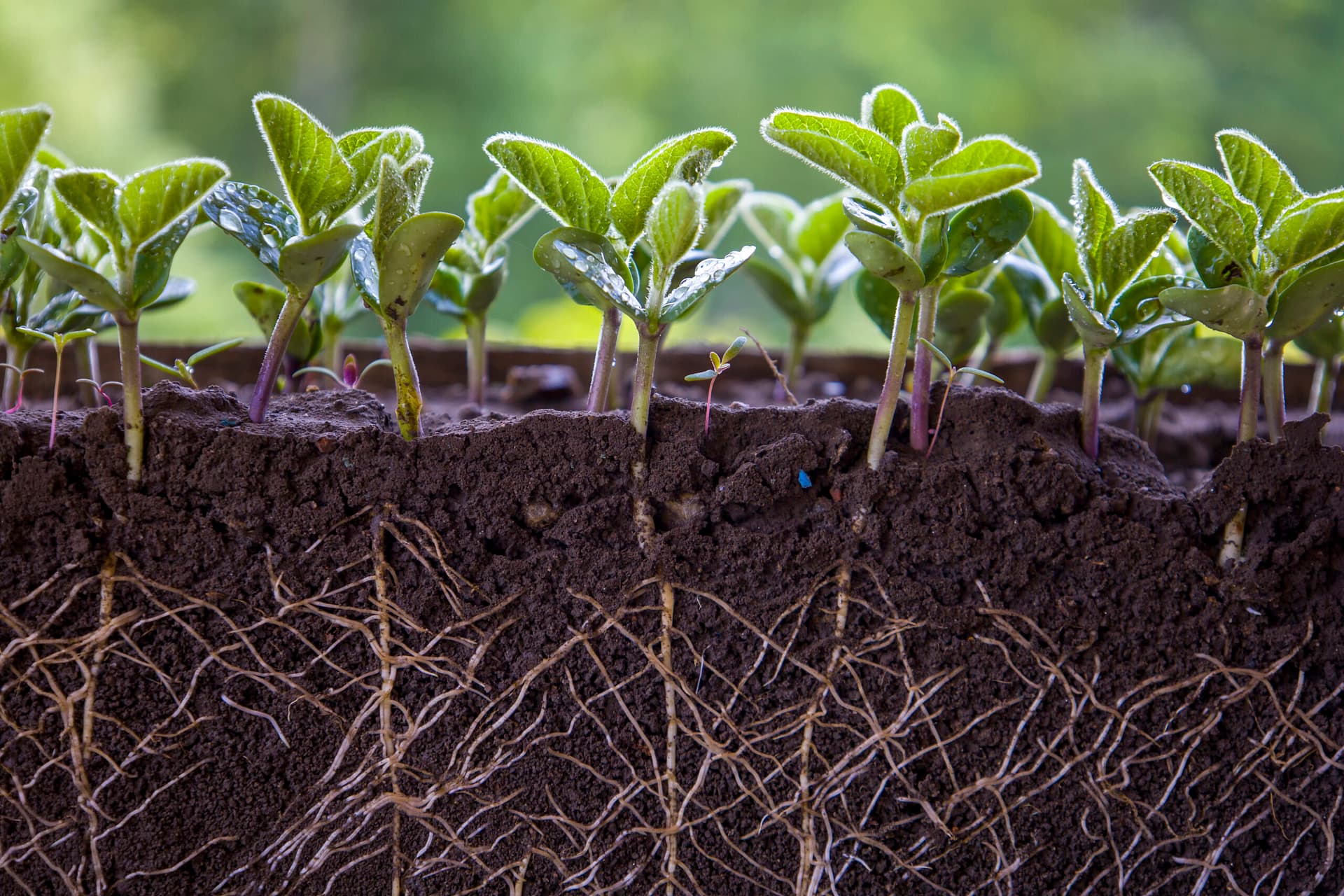
Root Development and Establishment
Based on fundamental research on silicon, relationships between crop growth and root development are being examined.
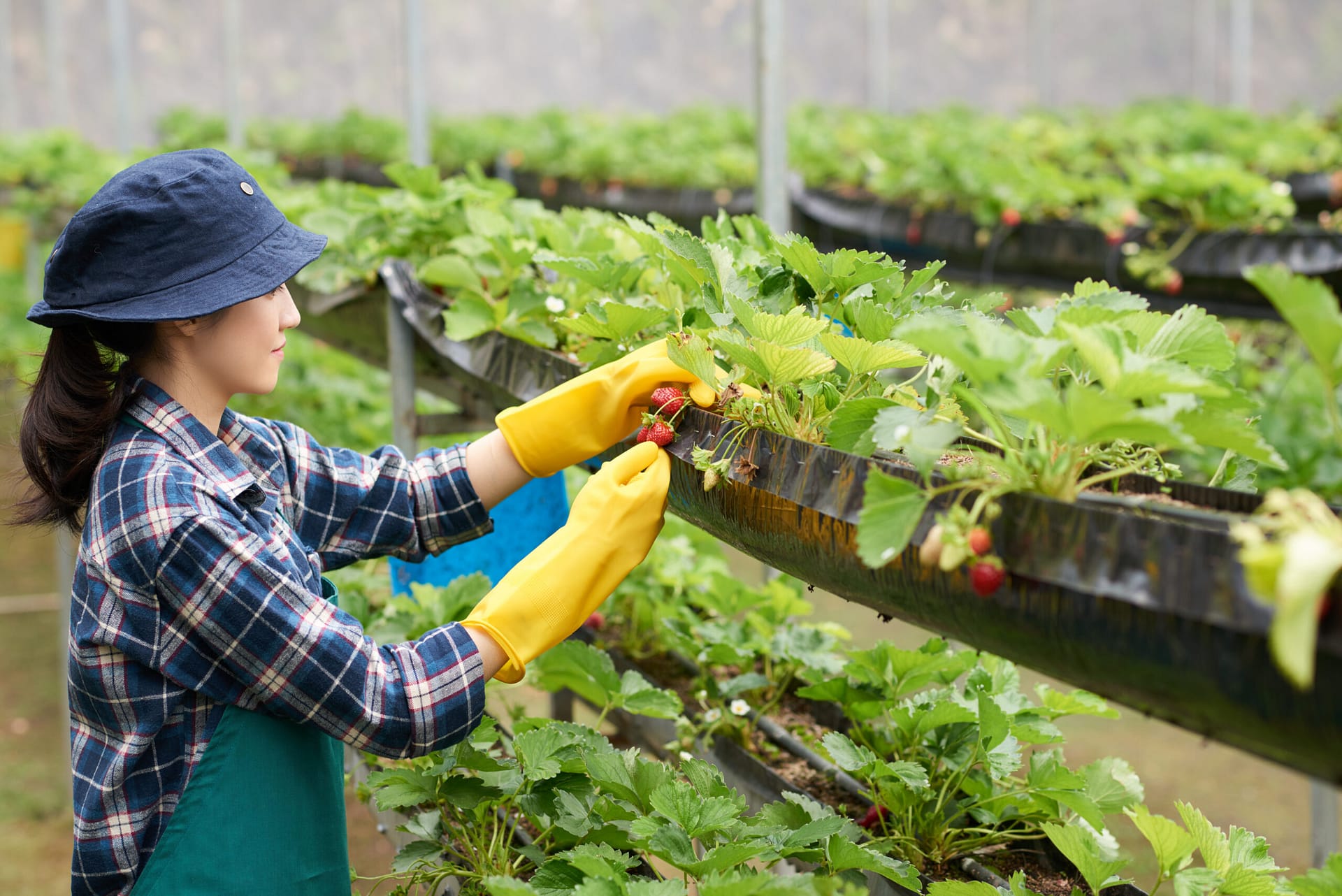
Reducing Dependence on Agrochemicals
Sustainable farming approaches that focus on improving soil conditions are being discussed as one possible direction.
Improving Crop Quality and Yield
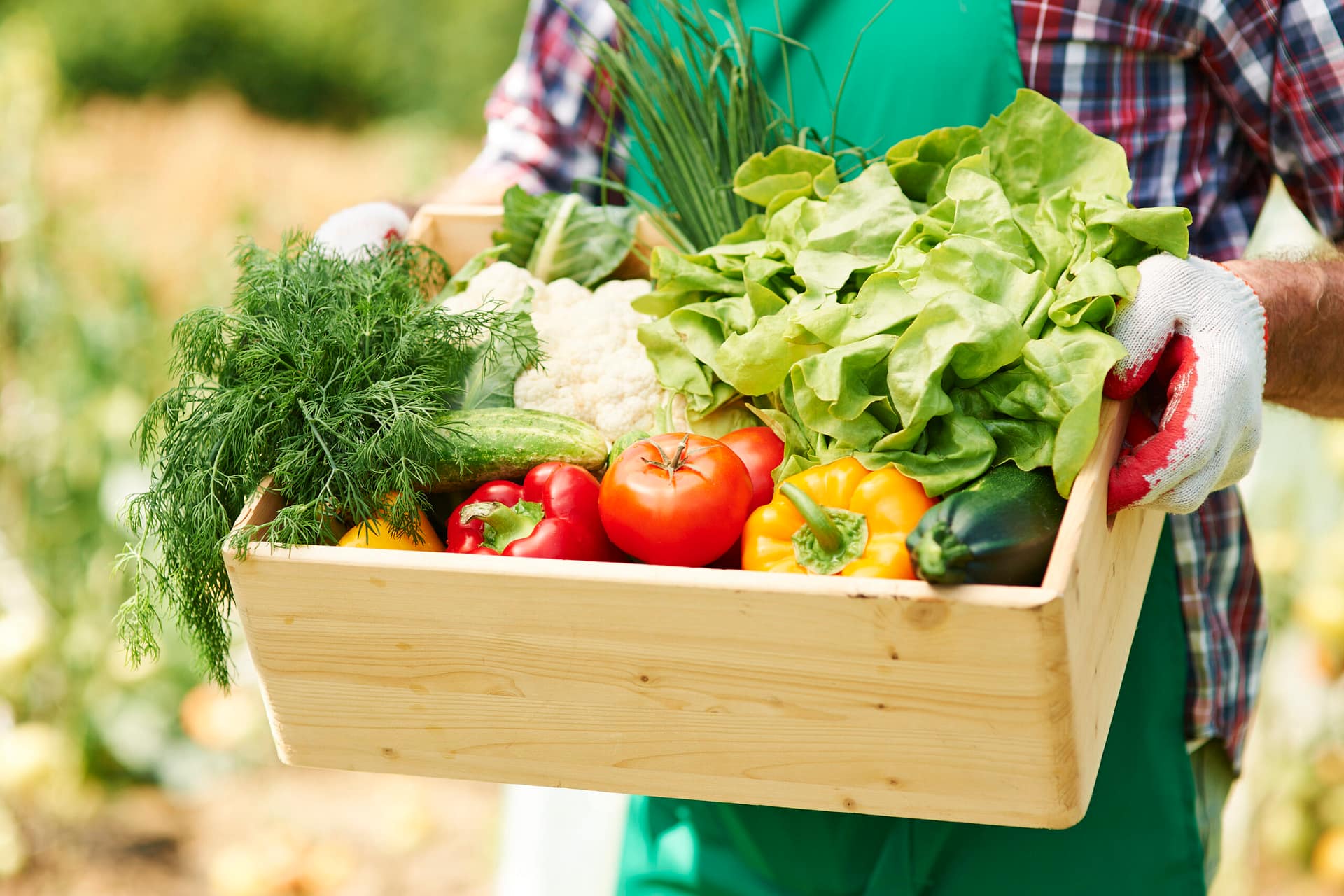
- Optimizing Mineral Balance
-
Research is progressing on the relationship between mineral components and crop growth.
- Supporting Structural Strength and Stability
-
Crop structure and growth characteristics are being studied as part of research themes related to disease resistance and lodging resistance.
- Yield and Nutritional Value
-
Interactions between soil environments and microorganisms are being examined in agricultural research.
- Freshness and Shelf-Life Considerations
-
Post-harvest quality retention is also attracting interest as a research topic.
Economic Perspectives

- Fertilizer Cost Optimization
-
There is growing interest in optimizing costs through improved fertilization strategies.
- Reuse of Rice Husk Resources
-
Rice husks generated on farms or within local communities can be reused, helping to reduce disposal-related costs.
- Enhancing Brand Value
-
Concepts such as “environmentally conscious agriculture” or “silicon-based cultivation” are being explored as ways to differentiate products and create added value.
- Developing Circular Agriculture Models
-
Efforts are underway to study circular agriculture models that make use of local resources.
Environmental and Social Contributions
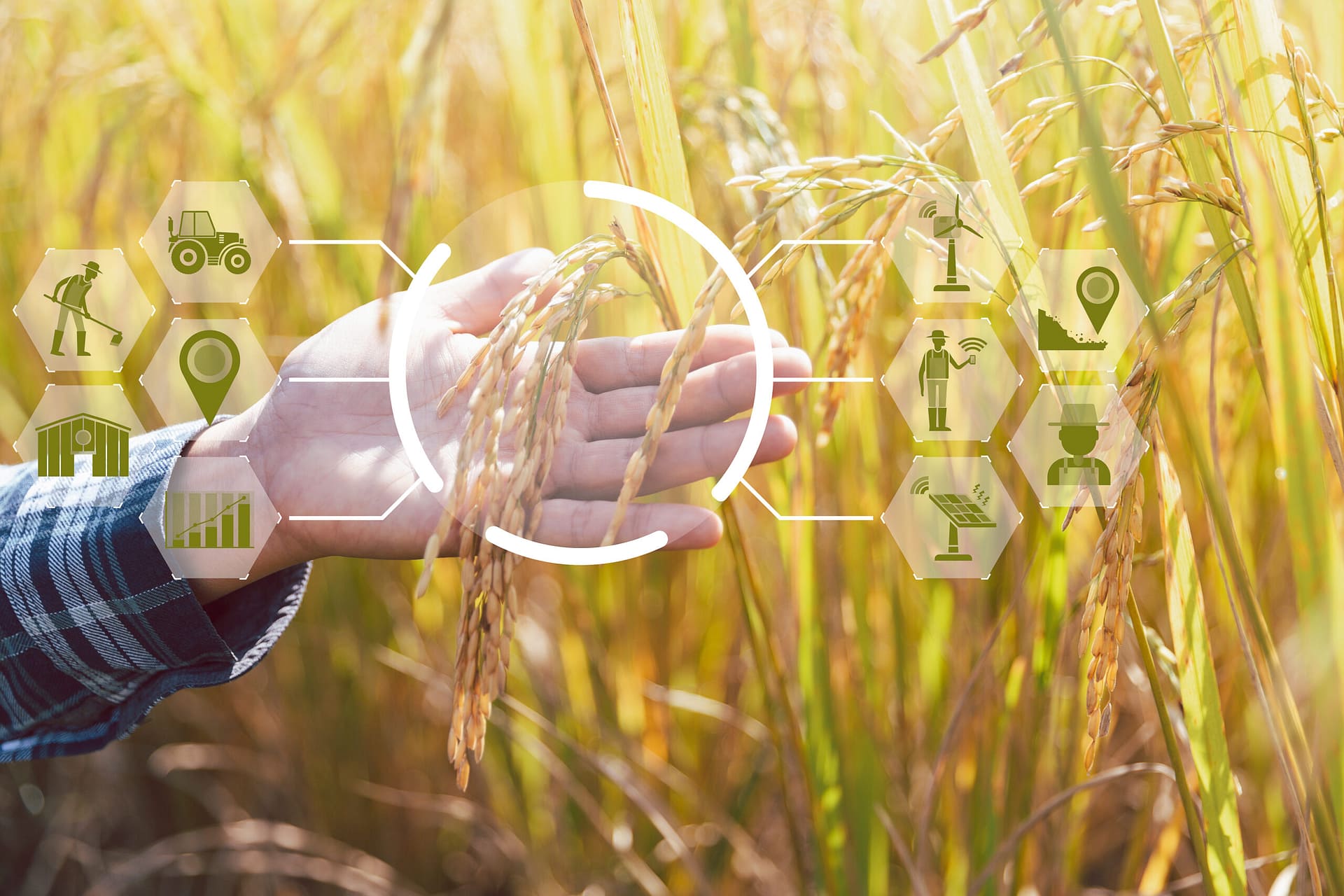
- Supporting Carbon-Neutral Agriculture
-
From the perspective of resource circulation and environmental responsibility, sustainable agricultural practices are gaining attention.
- Water Quality and Groundwater Considerations
-
Approaches to agriculture that take water environments into account are being examined.
- Alignment with Global SDGs
-
These efforts are positioned as initiatives that align with the principles of the Sustainable Development Goals (SDGs).
- Revitalizing Regional Agriculture and International Collaboration
-
Discussions are also underway regarding the revitalization of regional agriculture and potential international cooperation.
A Circular Solution for the Future of Agriculture
Rice husk silica represents one approach toward circular agriculture, supported by four key perspectives:
- Environmental stewardship
- Yield-oriented cultivation
- Cost-conscious farming
- Long-term agricultural sustainability
By integrating these perspectives, research and practice aim to support the future of agriculture through resource-circulating models.