




Balancing Strength and Sustainability —
Material Innovation for Next-Generation Industries
Balancing Strength and Sustainability — Material Innovation for Next-Generation Industries
With properties such as heat resistance, wear resistance, adsorption, and insulation,
rice husk silica combines natural origin with functionality required for industrial materials.
By being added to resins, coatings, concrete, rubber, and battery-related materials,
it is studied as a way to enhance material performance while reducing environmental impact.
As a lightweight, resource-efficient material, it supports the evolution of next-generation materials.
With properties such as heat resistance, wear resistance, adsorption, and insulation, rice husk silica combines natural origin with functionality required for industrial materials.
By being added to resins, coatings, concrete, rubber, and battery-related materials, it is studied as a way to enhance material performance while reducing environmental impact.
As a lightweight, resource-efficient material, it supports the evolution of next-generation materials.
Four Ways Rice Husk Silica Supports Industrial and Material Applications
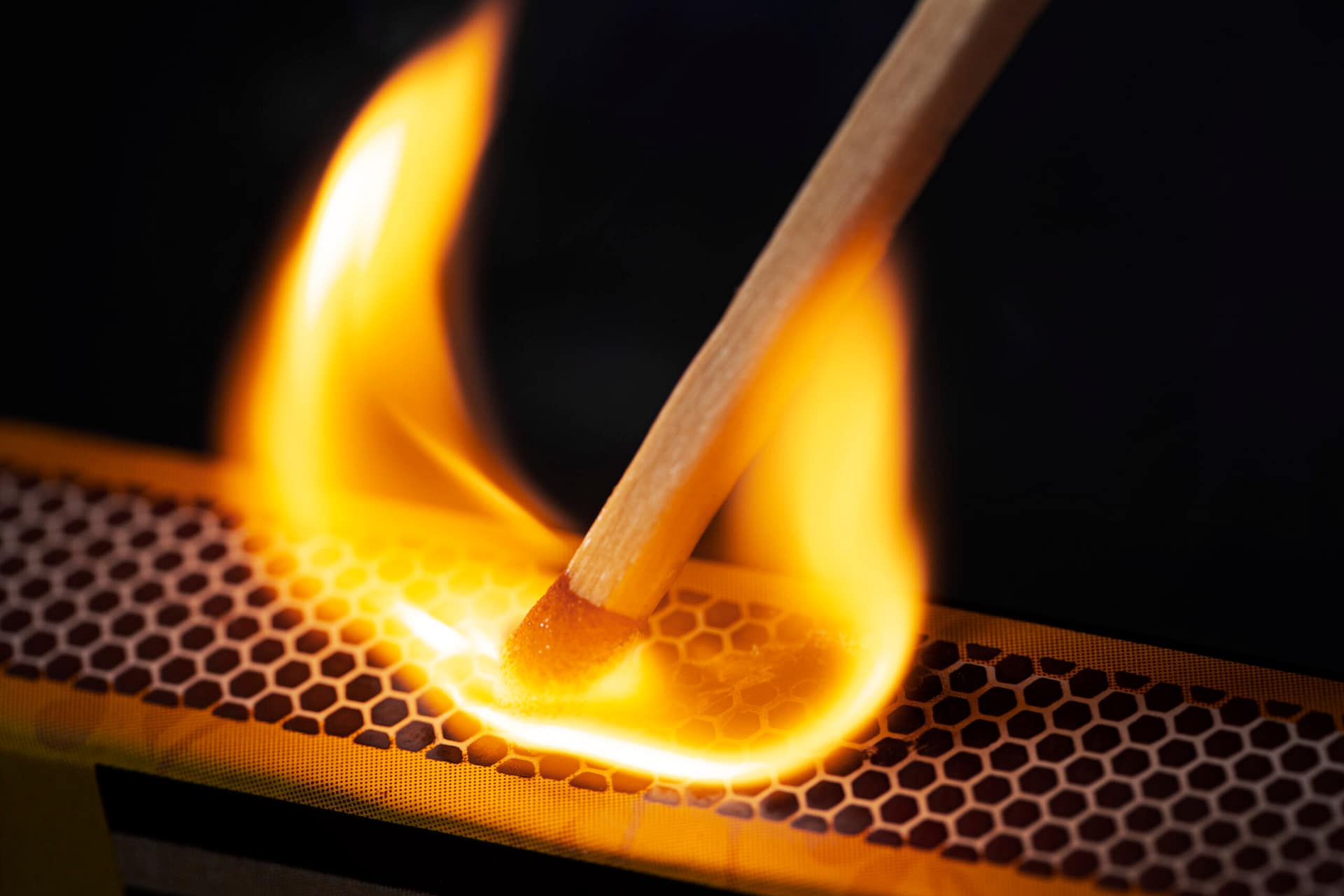
Enhancing Heat Resistance and Material Strength
The microstructure of silica is studied for its potential to reinforce material matrices,
contributing to improved heat and wear resistance. It is explored as an additive for resins, coatings, and rubber to support longer product lifecycles.

Improving Insulation and Flame-Resistance Properties
In applications such as electronic components and battery-related materials, its use is being studied for potential improvements in electrical insulation and flame resistance.

Lightweight Design and Cost Optimization
Rice husk silica is a lightweight, naturally derived material. It may contribute to reduced manufacturing loads and cost optimization through material design efficiency.

Reducing Environmental Impact Through Circular Manufacturing
By reusing rice husks—an agricultural by-product—this material is studied as part of a resource-circulating approach.
It supports sustainable industrial models that consider environmental impact throughout the production process.
Related Content
記事が見つかりませんでした。