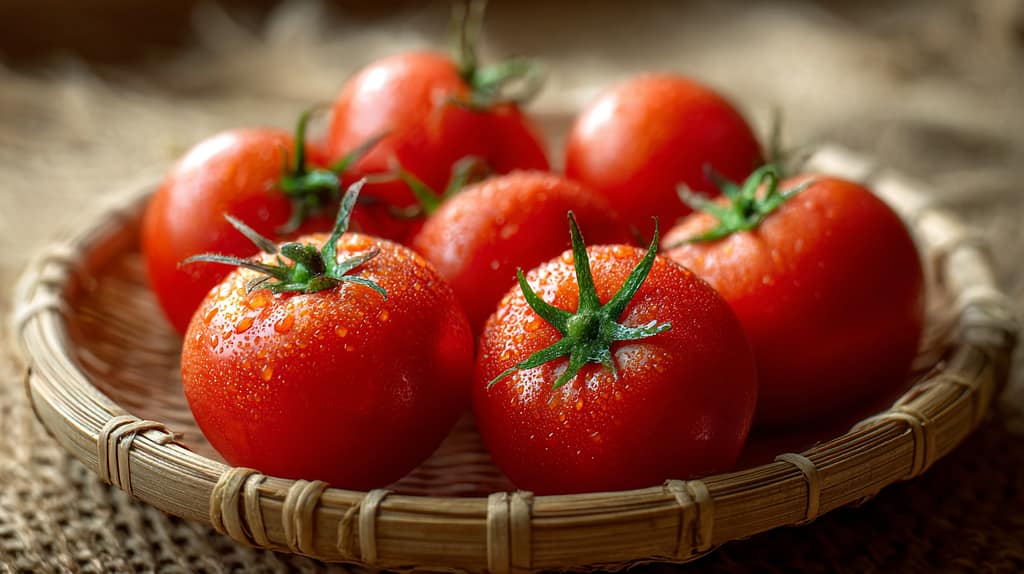

Are those roots truly being protected?
That question quietly surfaces as summer begins to approach.
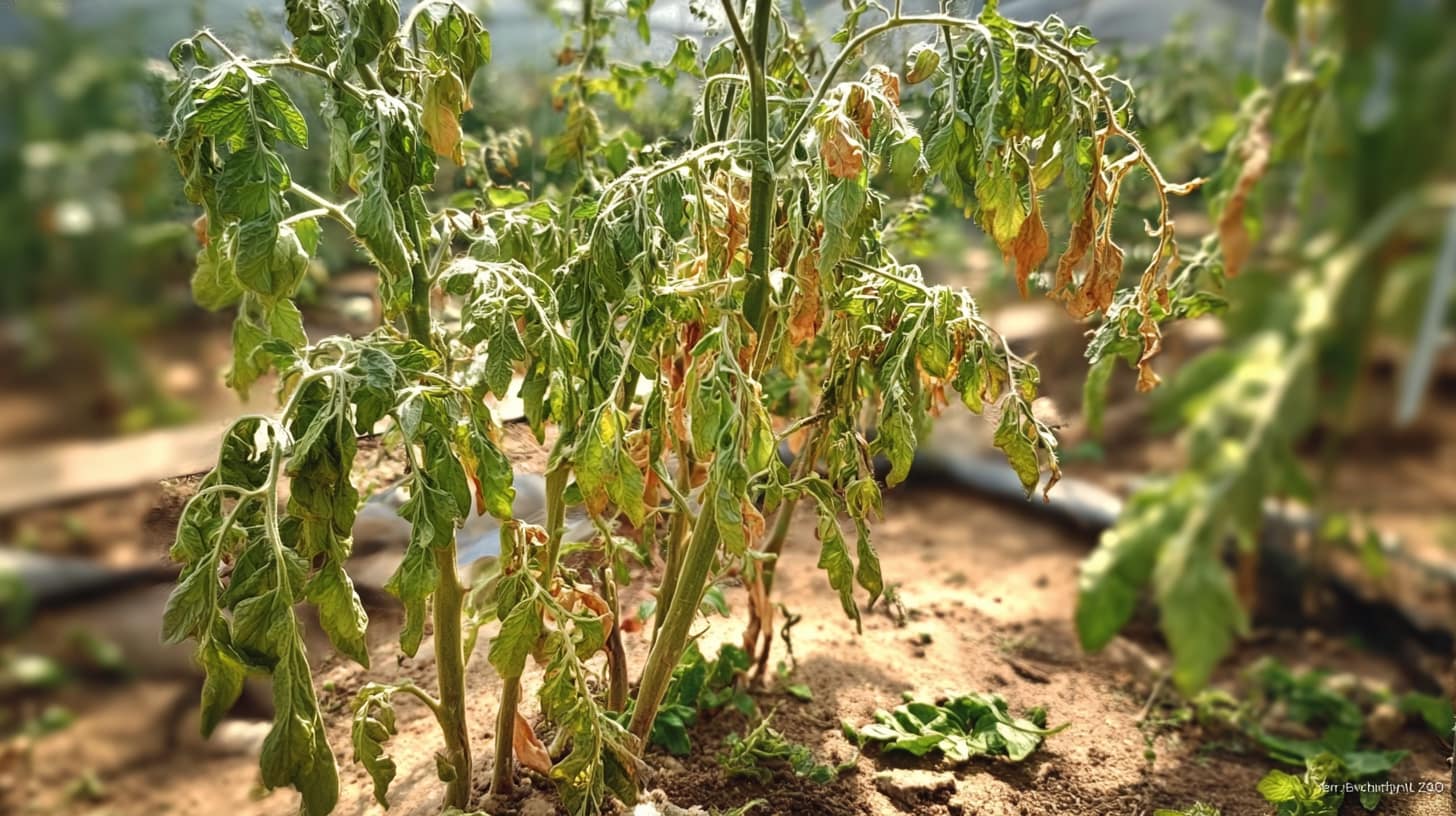
Anyone who grows tomatoes has likely sensed the presence of bacterial wilt at least once.
A plant that had been growing with such vigor suddenly begins to lose strength.
One day marks the turning point.
“It looked fine just moments ago.”
Between surprise and confusion, the wilting advances rapidly.
That speed—
it cuts deeper for those who face their fields with sincerity and care.
Temperature. Humidity. Rain.
None of these can be controlled by human will.
And yet, the desire to protect the field continues to inspire new ideas year after year.
Recently, one perspective drawing quiet attention is soil preparation, and within it, silica derived from rice husks.
It is not flashy.
Nor is it a quick fix or a miracle solution.
But the more one engages with it, the more one begins to sense how plant resilience may be supported—slowly, from the ground up.
Above all, there is something deeply resonant about this:
a material as familiar as rice husks, long present in everyday farming life, now beginning to shine again amid today’s increasingly severe climate.
■ Small Changes at the Roots Can Shape the Future of the Field
Ralstonia solanacearum, the bacterium responsible for bacterial wilt, lies hidden deep within the soil.
It enters through the smallest wounds on the root surface, spreads into the vascular system,
and disrupts the flow of water within the plant.
Local agricultural control guidelines have repeatedly highlighted the speed of this invasion.
That is why the condition of the roots becomes such a critical point of focus.
When roots are weakened, they may appear to offer wider entry points for the pathogen.
By contrast, when roots are functioning well, the progression of bacterial wilt can appear surprisingly restrained.
The relationship between silica and root function has been the subject of ongoing research in Japan and abroad.
Studies have examined connections with cell walls and vascular structures, drawing attention to silica when considering plant growth environments.
Rather than “making plants stronger,”
it may be more accurate to think in terms of helping plants recover their inherent resilience.
Rice husk–derived silica quietly supports this process by contributing to soil structure.
Once fired, rice husks become lightweight and porous, allowing both water and air to pass through easily.
Simply blending them into the soil can help loosen compacted ground, creating pathways where roots can extend more freely.
■ What the Field After the Rain Quietly Reveals
Picture the field on the morning after a rainfall.
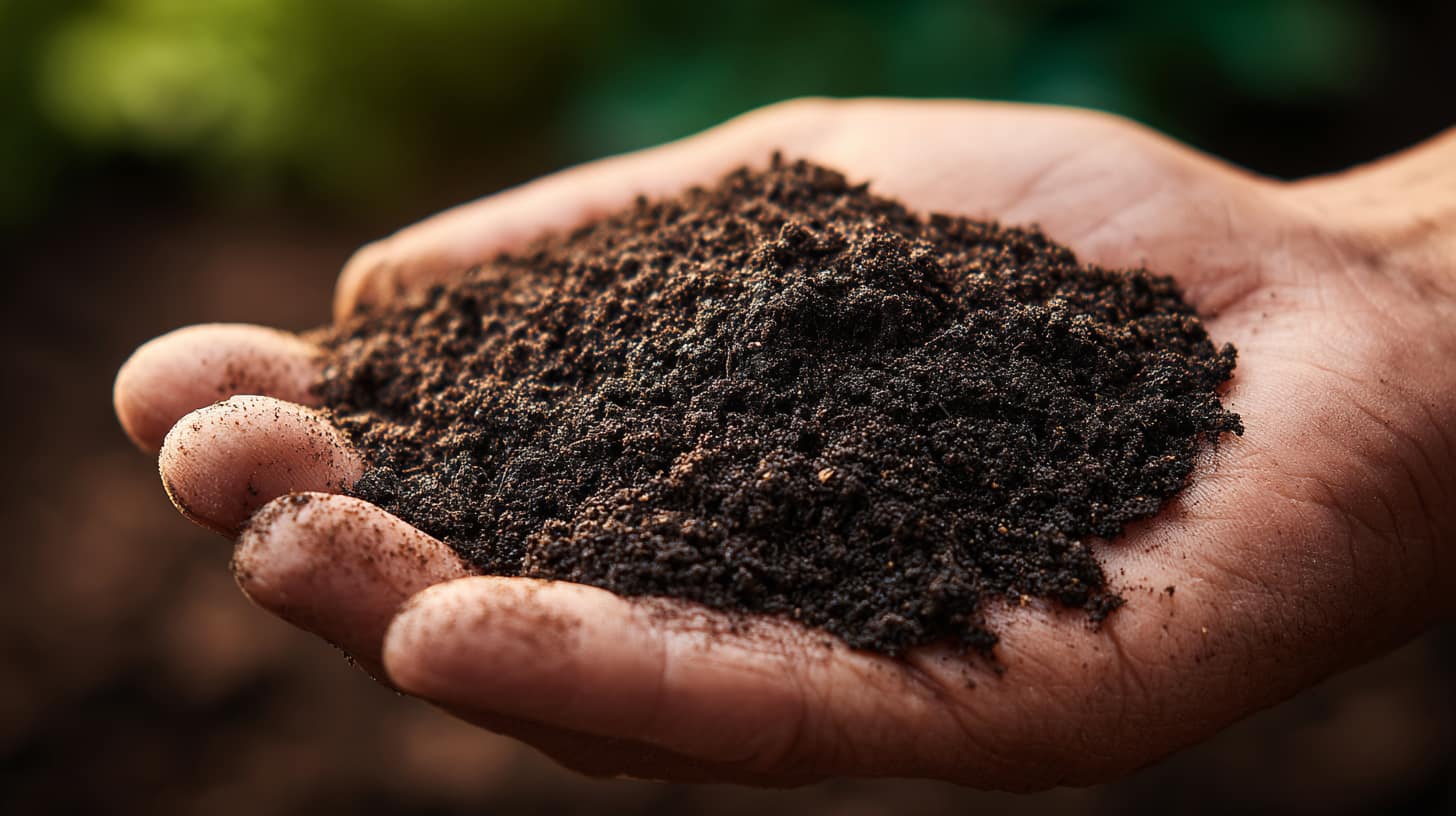
The soil feels heavy and sunken, clinging to the soles of your boots—that familiar, unmistakable sensation.
Beneath the surface, oxygen levels drop, and roots, deprived of air, begin to accumulate stress.
Yet in fields where rice husk silica has been applied, the “expression” of the soil the next morning feels different.
When you press your fingers into the ground, the soil gently gives way.
Around the roots, a subtle presence of air remains.
There is moisture, certainly—but without the sense of suffocation.
It may appear to be only a small difference, but the condition of the roots plays a significant role in healthy crop growth.
Can the roots continue to breathe?
The root respiration environment becomes a crucial factor when considering growth during periods of high temperatures or prolonged rainfall.
The kind of everyday resilience that cannot be fully supported by agrochemicals alone often emerges from such physical improvements in the soil.
Farmers on site sometimes describe it this way:
“It feels like the roots are more stable.”
“There’s a sense of reassurance in how the plants are growing.”These impressions are difficult to capture in numbers, yet they represent a truth known only to those who stand in the field and observe it day after day.
■ Cultivating Fields That Hold Firm in an Age of Harsh Weather
Rising temperatures.
Localized heavy rainfall.
Sudden shifts in humidity.
Each year, these forces grow stronger, placing ever greater strain on crops.
Bacterial wilt is no exception—if anything, its risks appear to increase alongside climate change.
What agriculture needs today is not simply a way to avoid hardship, but fields that remain steady within it.
Rice husk silica can become a small foundation for that stability.
It quietly supports the plant body, allows the soil to breathe, and helps protect the vital work of the roots.
Not through special technology, but through the gentle strength of a natural material.
It does not promise dramatic results.
And yet, through daily observation, it offers moments when one thinks,
“These plants are holding on this year.”
In that way, it becomes a presence that supports the field from deep below—steadily, and without drawing attention.
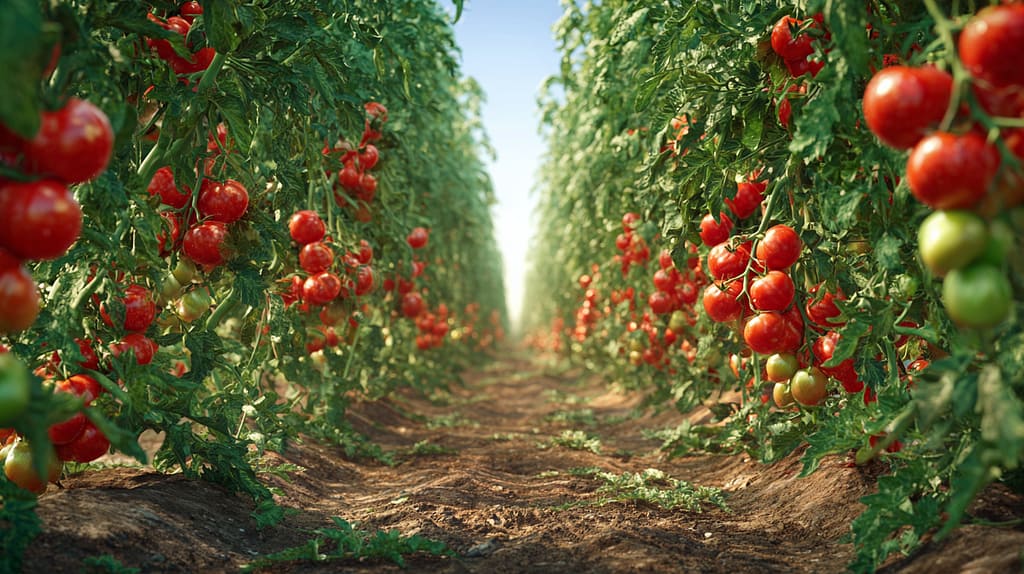
■ In Closing — The Essence of Addressing Bacterial Wilt Lies in Giving Roots Room to Breath
When we think about measures against bacterial wilt, what often comes to mind first are agrochemicals, disinfection, or grafted seedlings.
There are certainly many situations where these approaches play an important role.
Yet the essence lies a little deeper.
It is about maintaining soil and roots that are not exhausted.
This becomes the most stable foundation when facing bacterial wilt.
Soil where roots can breathe.
Plant structures where vascular pathways are less likely to become strained.
Plants that are not easily overwhelmed by rain or heat.
Preserving this kind of baseline condition is essential when considering healthy crop growth.
Rice husk silica quietly supports that state of balance.
A gift of nature, long familiar, now finding renewed relevance under today’s challenging climate.
If it can help farmers face the summer—
a season often filled with anxiety over bacterial wilt—
with just a little more calm,
then rice husk silica stands as one thoughtful, steady step toward protecting the future of the field.Not as a promise of dramatic change, but as one material to consider when thinking carefully about soil preparation and long-term resilience.