




Designing the Future of the Planet with Nature — Toward a Circular Society
Rice husk silica is being explored for use in environmental and energy-related fields
as part of efforts to convert waste into reusable resources.
From enhancing air, water, and soil quality to applications in solar panels and energy storage materials,
it serves as a bridge between natural cycles and industrial technology—supporting the realization of a sustainable society.
Four Ways Rice Husk Silica Contributes to Environment & Energy Applications
Improves Soil and Water Quality
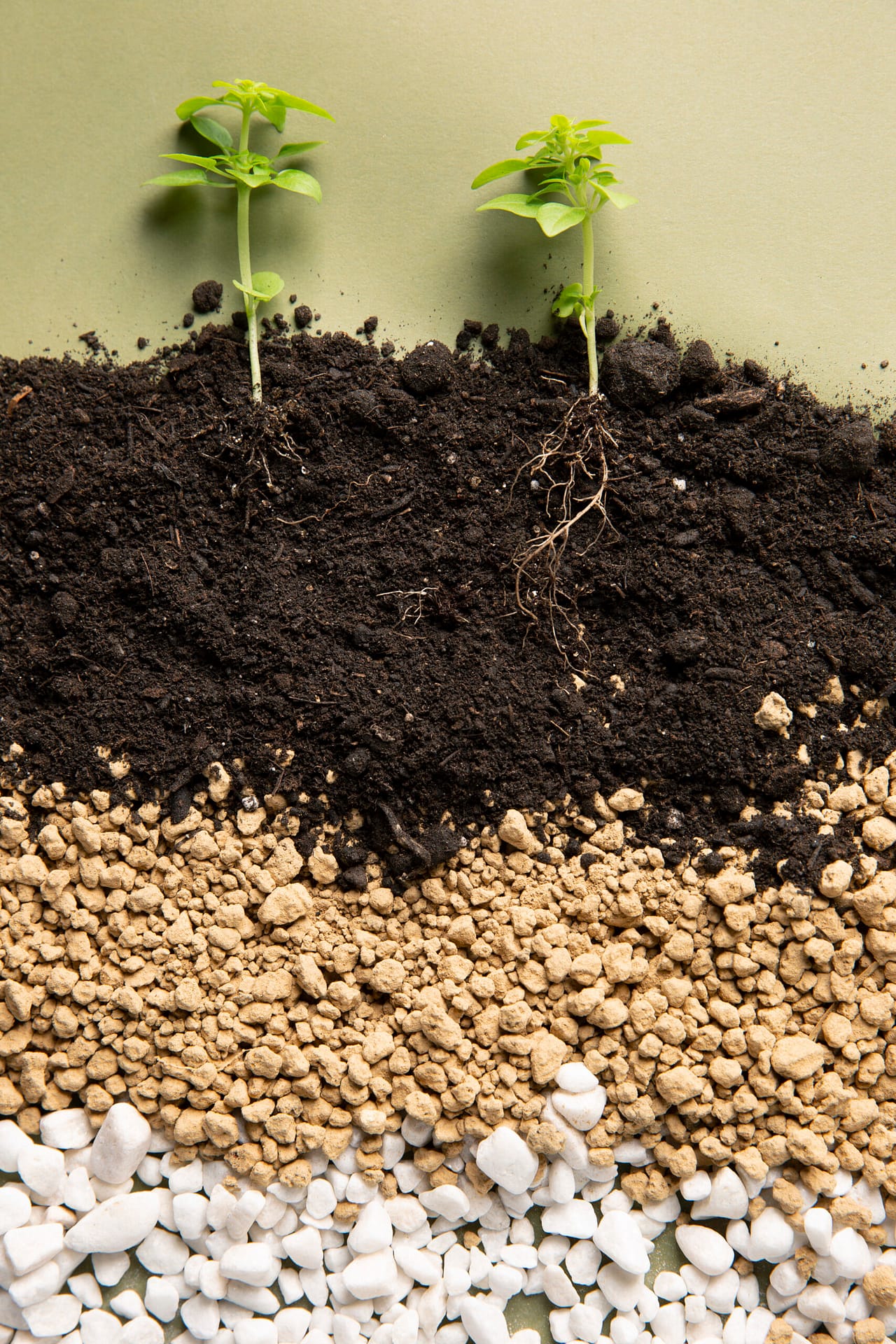
The porous structure of silica adsorbs harmful substances, helping purify soil and water.
It contributes to environmental restoration in farmland, lakes, and industrial wastewater systems.
Air Purification and Deodorization
Rice husk silica can adsorb unpleasant odors and harmful gases such as ammonia and hydrogen sulfide.
It is effective in improving air quality in urban areas as well as livestock and agricultural regions.

Enhances Energy Efficiency
Coatings and building materials containing silica improve heat reflection and insulation performance.
This increases heating and cooling efficiency, contributing to energy savings and reduced CO₂ emissions.
Contributes to Carbon Neutrality
By recycling rice husks—an agricultural byproduct—rice husk silica supports carbon fixation and the reduction of greenhouse gas emissions.
It serves as a core material in circular resource models that coexist with renewable energy systems.
Related Content
記事が見つかりませんでした。